Prediction market platform gives Labrador campaign $5,000 amid Idaho betting dispute
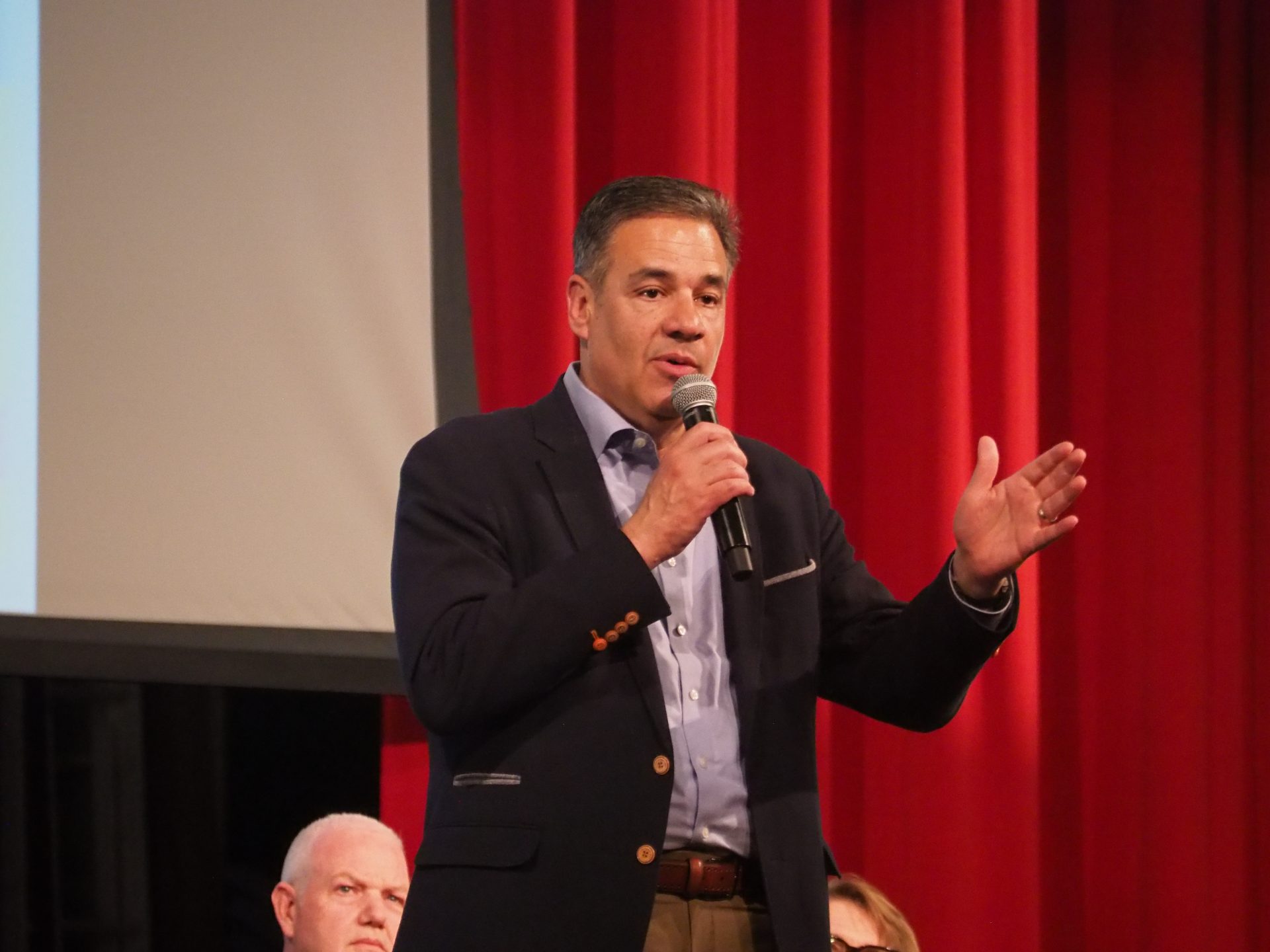
Kalshi, an online prediction market platform, on Tuesday donated $5,000 to Idaho Attorney General Raúl Labrador’s campaign. The donation comes months after Labrador challenged the federal government over the state’s authority to regulate sports betting platforms. Kalshi lets users “predict” the outcome of events, including Idaho elections — and Labrador’s re-election. In a statement to EdNews, Labrador’s spokesperson Damon Sidur said the attorney general has always believed that states — not the federal government — should be setting gambling policy. “That’s why he has joined a brief to the Ninth Circuit and a comment to the CFTC, including against both Kalshi and the federal government’s position,” Sidur wrote in an email to EdNews on Tuesday afternoon. “No campaign donation is going to change his zeal to defend the laws of Idaho and its sovereignty.” The New York-based company has made $15,500 in campaign contributions to Idaho Republicans in the past month. $5,000 to Labrador’s campaign $5,000 to the Idaho House Republican Caucus $1,000 to Speaker of the House Mike Moyle, R-Star $500 contributions to nine incumbents and candidates: Sen. Lori Den Hartog, Sen. Ben Adams, Rep. Chris Bruce, Rep. Shawn Dygert, Rep. Kyle Harris, Rep. Rob Beiswenger, Rep. Dustin Manwaring and candidates Scott Herndon and Josh Keyser. In March, Labrador announced in a press release and letter that he defended Idaho’s authority to regulate sports betting. Labrador joined a 39-state coalition challenging the federal Commodity Futures Trading Commission’s claim that it had “discovered the power to override state gambling laws nationwide.” “The CFTC now claims it found hidden authority in fifteen-year-old financial reform laws to override state gambling laws nationwide,” Labrador wrote. “Congress never granted that power, and Idaho will continue defending our right to regulate gambling as we see fit.” Idaho Attorney General Raul Labrador speaks at a forum at Boise High on April 21, 2026. Labrador’s campaign on Tuesday received a $5,000 contribution from prediction market platform Kalshi. (Kaeden Lincoln/IdahoEdNews) He explained that Kalshi and Crypto.com began offering sports betting in January 2025, and the federal regulatory agency stayed out of it for a year. Then new leadership took over the agency in late 2025 and argued that states have no authority to regulate these platforms. “The problem is Congress never granted the CFTC that authority,” Labrador wrote. Betting on elections Kalshi provides much more than sports betting. It is a “prediction market” that allows users to bet on how many streams Beyonce will have this year, which team will win Thursday’s NFL game between the Seahawks and Broncos or if Labrador will win re-election next month. As of Tuesday, Kalshi is hosting 24 “events” on Idaho’s elections with a combined trading volume over $500,000. The event with the most money on the line is the U.S. Senate race between Sen. Jim Risch and Todd Achilles. Users have made $385,221 in bets on the race, which shows a 94.3% chance that Risch will win. Labrador’s re-election has the second-highest trading volume, at $42,896 in bets. Odds show he has a 96% chance to win over Democratic challenger Lori Hickman. Users can also bet on which ballot measures will pass, which firearm Idahoans will choose for the state gun and if Democratic candidate for governor Terri Pickens will receive at least 36% of the vote. EdNews reported on prediction markets in April. Jonathan Krutz, a Boise State University professor emeritus who has studied gambling since the 1990s, told EdNews that platforms like Kalshi allow betting on events that can be manipulated and that others may have inside information about. As board chair of the nonprofit Stop Predatory Gambling, Krutz said he thinks the prediction markets should be stopped until there are regulations in place and staff to enforce the regulations. “There’s a reason why that has never been allowed before,” Krutz said. “It’s highly corruptible, and it shouldn’t be allowed now.” EdNews reached out to Labrador’s office in April for a comment on prediction markets but did not receive a response. EdNews sent another email to his spokesperson on Tuesday but did not immediately receive a response.
Take Your Experience to the Next Level
NewDownload our mobile app for a faster and better experience.
Comments
0U
Join the discussion
Sign in to leave a comment