Tariffs and Real Estate: Turning Cost Pressure Into Client Solutions
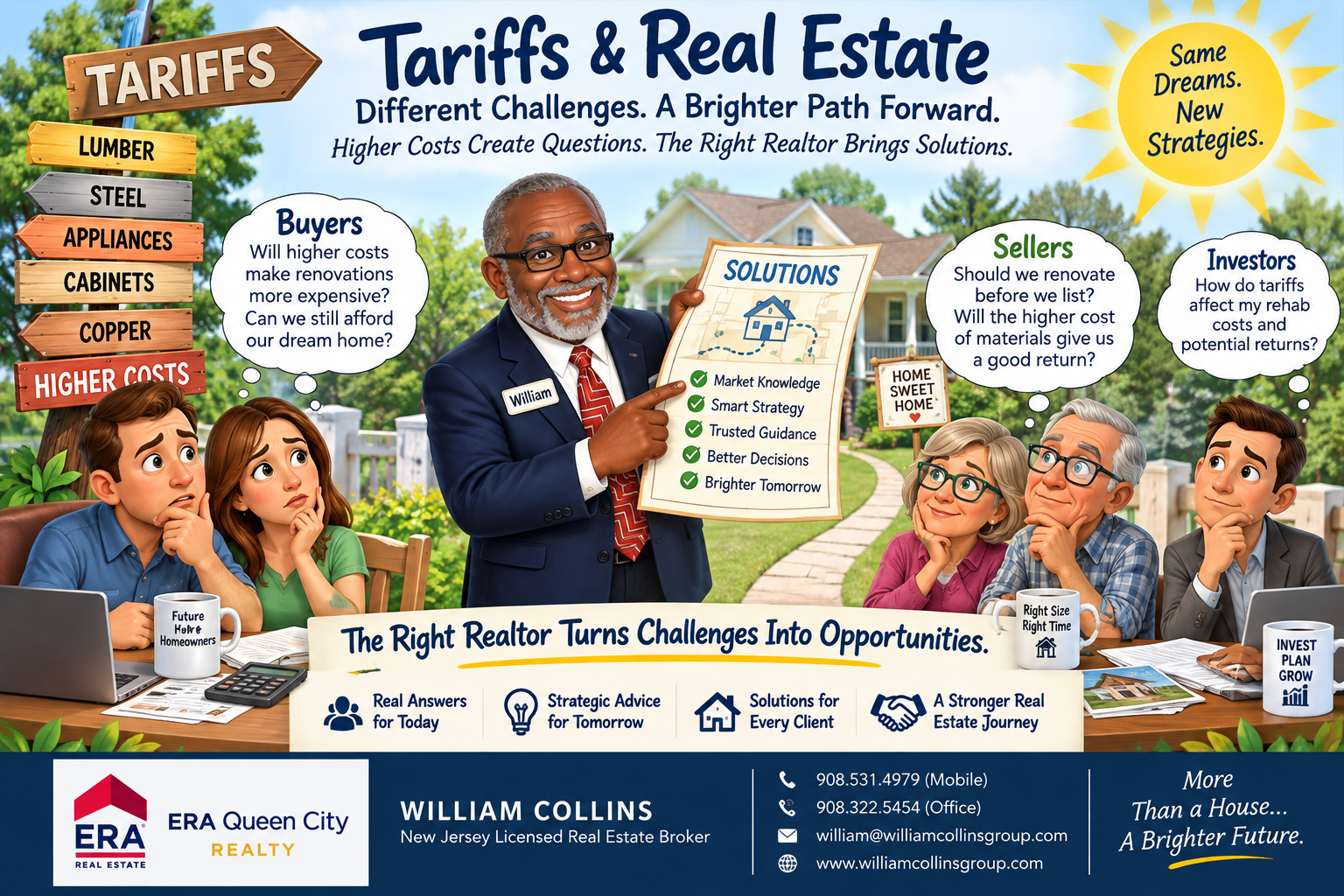
How tariffs affect home buyers, sellers, and Realtors in 2026 is becoming an increasingly important real estate conversation as higher costs for lumber, steel, aluminum, copper, cabinets, appliances, and other goods work their way through housing.Tariffs do not affect every property or transaction equally. But they can influence new construction costs, renovation budgets, replacement expenses, and housing affordability. NAHB reports that residential building-material prices excluding energy were 5% higher year over year in July, while softwood lumber was up 17.3%.That creates problems for consumers, but it also creates an opportunity for Realtors to become better problem solvers.The Buyer Problem: Affordability Goes Beyond the MortgageBuyers already focus on purchase price, interest rates, taxes, and insurance. Tariffs introduce another consideration: what will this home cost after I buy it?Higher prices for appliances, cabinetry, lumber, and metals can make renovations and repairs more expensive. NAHB notes that tariffs on building materials can ultimately reach consumers through higher housing and product costs.For Realtors, the opportunity is education. Help buyers distinguish between move-in-ready homes and properties requiring substantial near-term improvements. Encourage realistic renovation budgets, contractor estimates, and inspection-driven planning before an offer is finalized.Understanding how tariffs affect home buyers, sellers, and Realtors in 2026 can turn property condition into part of the affordability analysis.The Seller Problem: Improvements May Cost MoreSellers face a different question:Should I renovate before listing, or sell the property as it is?A $25,000 renovation does not automatically create $25,000 or more in market value. With construction inputs under cost pressure, unnecessary presale projects can become particularly expensive. National Association of Home Builders (NAHB) says builders reported a median 6.7% increase in material costs for the same home during the past year.The Realtor becomes the strategist. Use comparable sales to identify improvements buyers are actually rewarding. Sometimes paint, lighting, cleaning, landscaping and professional presentation may make more economic sense than a major kitchen or bathroom renovation.The Realtor Opportunity: Become the Cost InterpreterThis is where how tariffs affect home buyers, sellers, and Realtors in 2026 becomes more than an economic story.Realtors cannot control tariffs, interest rates, or construction costs. They can help clients understand their consequences.For buyers, that means evaluating purchase price plus anticipated ownership and improvement costs.For sellers, it means determining which improvements may produce a meaningful market return and which may simply consume equity.For investors, it means recalculating rehabilitation budgets, contingencies, and potential returns when material costs change.The Realtor who can connect economic conditions to an individual property decision becomes far more valuable than someone who simply opens doors or places a listing online.The Bottom LineTariffs create uncertainty. Knowledge creates strategy.Whether buying, selling or investing, consumers need real estate professionals who can translate changing market conditions into practical decisions.Need help evaluating your next real estate move? Contact William Collins, New Jersey Licensed Real Estate Broker, ERA Queen City Realty.Mobile: 908.531.4979 | Office: 908.322.5454Email: william@williamcollinsgroup.com Looking for a central New Jersey real estate professional, let me google that for you!
Take Your Experience to the Next Level
NewDownload our mobile app for a faster and better experience.
Comments
0U
Join the discussion
Sign in to leave a comment