Ensuring safety of plug-in solar
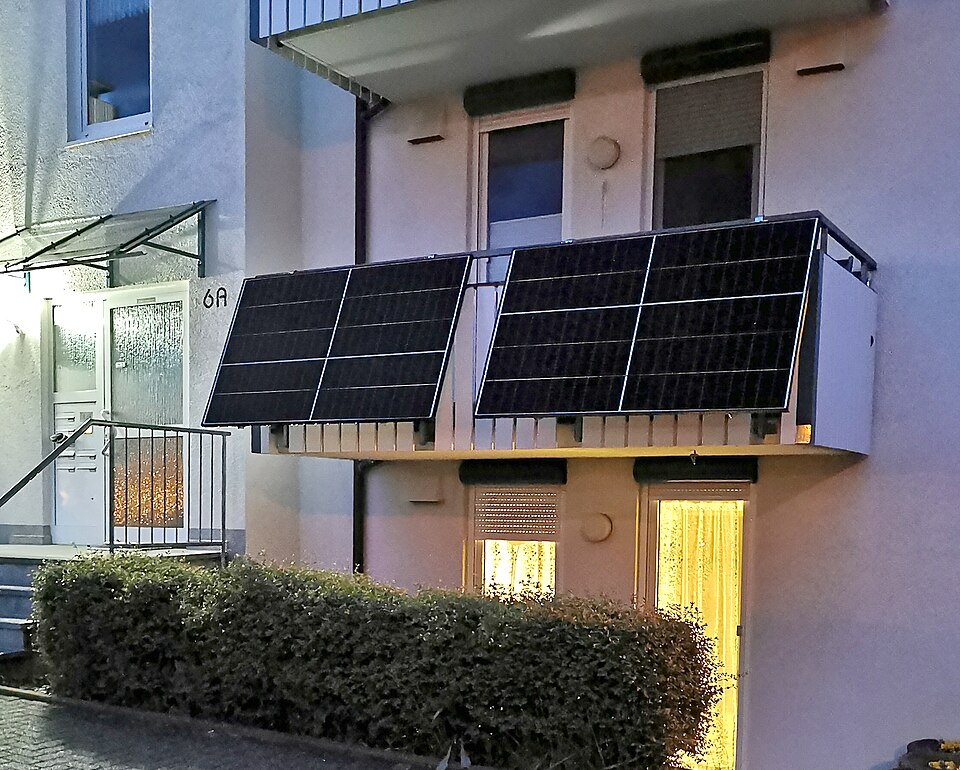
Plug-in solar, also known as “balcony solar” is a new category of small, portable solar system that plugs directly into a wall outlet. The concept took off in Germany in the 2010s with more than one million plug-in solar devices now registered. With ten U.S. states having adopted plug-in solar legislation with more to come, it’s beginning to take off in the U.S. as well. State legislation has many commonalities including interconnection exemption, wattage limits and safety certification. While plug-in solar can still be used in states that have not passed legislation, potential users may have to apply to the local utility for interconnection approval. Most state legislation exempts the small systems from required interconnection agreements and approvals, which eliminates permitting and interconnection delays and associated fees. Most state legislation has other similarities, for example, a wattage limit. Most have set a wattage limit of 1,200, although Colorado is the outlier, allowing systems of up to 1,920 watts, according to Bright Saver, a non-profit organization that sells plug-in solar kits. UL 3700 safety certification is also required by most states, although Maine, New York and Vermont require that the inverter, panels, cables and mounting hardware all meet UL 3700 (or a comparable standard). According to Bright Saver, no vendor in the industry has achieved that yet. UL 3700 was published in late 2025 and provides construction, performance and labeling criteria for plug-in solar systems. It is now the basis for UL Solutions’ safety testing and certification program for plug-in photovoltaic systems to which manufacturers can submit their systems for evaluation. Products that meet the requirements are authorized to bear the UL 3700 mark. “By defining how these systems must be built, evaluated for safety and safely installed, UL 3700 helps mitigate potential risks, and opens a path for more people to access resilient solar power,” said Ken Boyce, vice president, principal engineering, industrial testing, inspection and certification, at UL Solutions. While plug-in solar is simple to install and use, the potential risk is when systems become overloaded and power may flow back into lines. In addition to defining safety standards for manufacturers, UL says the new standard requires features that mitigate accidental contact with hazardous electric parts, promote safe installation, protect against overloads and prevent electric current from flowing in the wrong direction. UL describes in a white paper the three main hazards of plug-in solar systems and how they differ from traditional PV technology. Overcurrent protection challenges: Branch circuits are designed for one-way power flow from the panelboard to the load. When a plug-in solar system backfeeds power into the same circuit, the combined current from the utility and plug-in solar source can exceed conductor ratings without tripping the circuit breaker. This undetected overload poses risks of fire and electric shock. Touch safety hazards: Grid-interactive inverters used in plug-in solar systems are not evaluated for user contact safety. Accessible plug blades can become energized when exposed to sunlight, creating a shock hazard for consumers. Ground-fault circuit interrupter (GFCI) compatibility: Plug-in solar systems can compromise GFCI protection, a critical safety feature in outdoor and wet locations. Current GFCI standards assume unidirectional current flow, but plug-in solar introduces bidirectional flow, potentially blinding GFCIs and leaving circuits unprotected. The advantages of plug-in solar are ease of installation and cost. In terms of ease of use, “they’re literally plug and play,” Stephan Scherer said in a recent webinar. Scherer is founder of Craftstrom a manufacturer of plug-in solar devices. As for cost, Scherer said the cheapest systems can be purchased today for under $500. “It’s way more affordable than traditional solar, currently at about half to a third the cost of traditional solar, he said. Currently at about $1.50 per watt, Bright Saver anticipates prices to fall precipitously in the coming year. Source: Bright Saver Payback time, like traditional solar, depends on the electric rate and how much the system is producing, but typically the payback period is between two and six years in the U.S., Scherer said. As prices continue to drop in the coming year, several states are expected to pass legislation, further boosting the plug-in solar market. According to The Q2 2026 edition of “The 50 States of Solar” released by the NC Clean Energy Technology Center, in addition to the ten states that have already passed legislation, Delaware adopted a resolution to study the safety and utility of portable solar devices, New Jersey and New York are awaiting final action by their governors and legislation is still under consideration in California, Massachusetts, Michigan, North Carolina, Ohio, and Pennsylvania. The post Ensuring safety of plug-in solar appeared first on pv magazine Global.
Take Your Experience to the Next Level
NewDownload our mobile app for a faster and better experience.
Comments
0U
Join the discussion
Sign in to leave a comment