FCC blocks approval of new foreign-made robots, power inverters
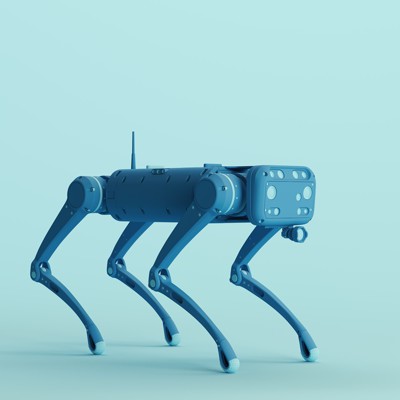
The Federal Communications Commission on Tuesday blocked new models of foreign-made mobile robots and connected power inverters from entering the U.S. market, citing national security findings that the devices could create supply-chain vulnerabilities and be exploited to threaten critical infrastructure. The commission added foreign-produced mobile robots and connected power inverters to its Covered List, which outlines those products deemed too high a risk for national security. The agency defines the covered robots as “advanced robotic devices,” including humanoids and quadrupeds. The designation prevents new models from receiving the FCC authorization generally required before electronic devices can be imported, marketed or sold in the United States. It applies to products made in any foreign country. The findings were issued by a White House-convened interagency body that the FCC said included national security agencies. The commission did not identify the body or disclose which agencies and officials participated. The action marks a notable expansion of the FCC’s national security role into technology markets far beyond traditional telecommunications equipment. The agency’s Covered List initially focused largely on products and services supplied by specific Chinese companies, including Huawei and ZTE, but the commission has increasingly used its equipment authorization powers to block entire categories of foreign-produced devices. The FCC previously took similar steps involving foreign-made drones, drone components and consumer routers. Asked about the specific nature of the national security assessments, an FCC official, who spoke with reporters Tuesday, cited the publicly posted determinations that informed the decision. The remote connectivity capabilities built into many of the devices create inherent security vulnerabilities, said the official, who spoke on the condition of anonymity per ground rules of the discussion. As inverter-based resources proliferate across the U.S. electric grid, their remote connections introduce vulnerabilities that could be exploited in several ways, according to the respective finding. Foreign companies could potentially use that access to turn off inverters, collect and remove data, conduct surveillance on behalf of foreign governments or carry out cyberattacks, the determination said. The separate determination covering robots cited risks arising from the devices’ networked capabilities, which can affect both the information they collect and their physical operation. Those connections can create vulnerabilities and vectors for attacks that can manipulate the data and physical operation of the advanced robotic system, the determination said. Manufacturers can seek exemptions by obtaining “Conditional Approval” after the government determines that a device or class of devices does not pose an unacceptable risk. The Department of Defense will make those findings for advanced robotic devices. For power inverters, either DOD or the Department of Homeland Security can grant approval. The action applies only to new device models. Foreign-made robots and inverters previously approved through the FCC’s equipment-authorization process can continue to be imported, marketed, sold and used in the United States. The designation also does not restrict the federal government or federal agencies from purchasing or operating the devices. ]]>
Take Your Experience to the Next Level
NewDownload our mobile app for a faster and better experience.
Comments
0U
Join the discussion
Sign in to leave a comment