After Apollo astronauts tracked Moon dust into their cabin, it clogged seals, scratched their visors and left one crew member sneezing with “lunar hay fever”—yet they all agreed the dust smelled strangely like spent gunpowder
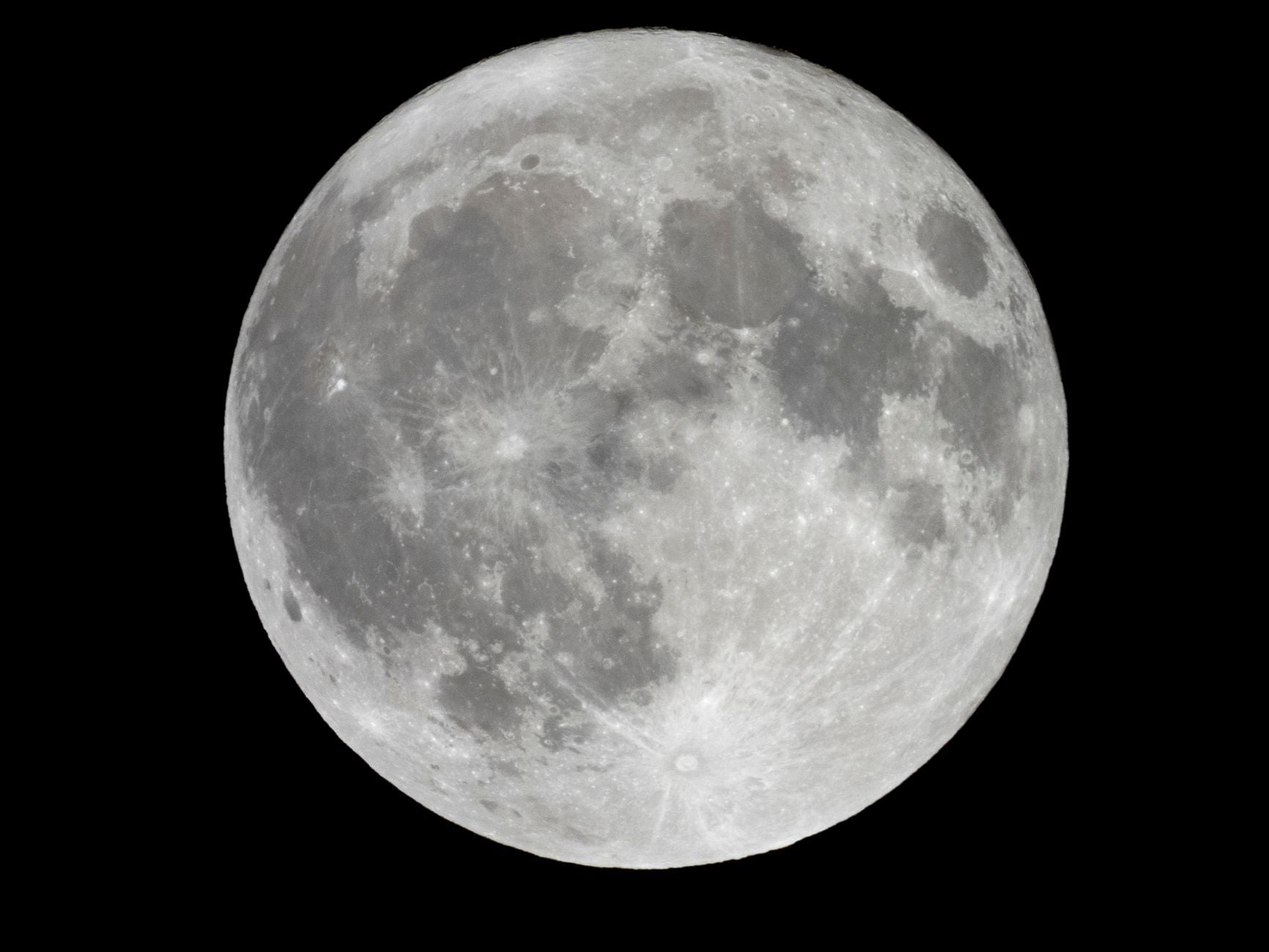
Seven minutes after Apollo 17’s cabin began repressurising following its first moonwalk, Harrison Schmitt removed his helmet and recognised a report passed down by earlier crews. “Smells like gunpowder, just like the boys said,” he told commander Gene Cernan. “Oh, it does, doesn’t it?” Cernan replied. The smell was the memorable part. The dust was the operational problem. It rode inside on suits, boots, sample bags and tools, then loosened into the Lunar Module’s oxygen. Across six landings it obscured vision, jammed mechanisms, abraded surfaces, interfered with seals and irritated eyes and airways. The gunpowder comparison crossed several missions The Apollo 17 exchange was not an isolated description. During Apollo 16, Charlie Duke told Houston that lunar dust smelled like gunpowder, “really, really a strong odor”. Apollo 15 commander David Scott later recalled that the nearest analogy for the smell of lunar dirt was gunpowder. Apollo 11’s Buzz Aldrin compared it with burnt charcoal or damp fireplace ashes. That is strong evidence for a recurring cabin experience, though not a formal poll proving that every one of the 12 moonwalkers chose the same words. Nor did the astronauts smell the Moon’s air. The Moon has only an extremely thin exosphere. They smelled something associated with freshly carried material after it entered a warm, pressurised cabin. No one has established exactly what produced the smell Lunar soil does not contain gunpowder, and there had been no combustion. One proposed explanation is that micrometeorite impacts and radiation leave freshly exposed mineral surfaces chemically active. Contact with oxygen and water vapour inside the lander may have passivated those surfaces, producing short-lived compounds or stimulating smell receptors in a similar way. That account remains a hypothesis. Scott said the smell had disappeared by the next morning after the environmental control system filtered the cabin, according to the Apollo 15 record. Returned material no longer carried the odour by the time it could be examined on Earth, leaving researchers without a fresh sample of the phenomenon. The dust damaged hardware through friction and adhesion NASA engineer James Gaier reviewed records from all six Apollo landing missions in a technical memorandum on lunar dust. He grouped the effects into nine categories, including clogging, abrasion, seal failures, thermal-control problems and inhalation or irritation. Every landing mission produced reports of clogged or jammed equipment. Unlike common dust on Earth, the grains had not been rounded by wind or water. They were angular fragments created by impacts, and they clung through electrical charging and mechanical adhesion. Brushing removed some larger particles but left much of the finest material embedded in fabric. Damage accumulated quickly. Apollo 12 commander Pete Conrad said eight hours of surface work wore the suits more than 100 hours of training. Apollo 16 gauge faces became scratched enough to be unreadable. On Apollo 17, Schmitt’s sunshade was so abraded that he could not see through it in some directions, while dust stiffened joints, zippers and connectors. Seals and closures were vulnerable for the same reason. Fine grains lodged around wrist locks, hose couplings and pressure interfaces, where contamination could increase friction or prevent a clean seal. The Lunar Modules survived their short stays, but several astronauts said suit joints were becoming progressively harder to move. Cernan later called dust one of the greatest restraints on normal lunar operations. “Lunar hay fever” was a reaction, not a diagnosis About three and a half hours after removing his helmet, Schmitt sounded congested. Mission Control joked that he had “hay fever sensors”. Schmitt replied that the reaction had come on quickly and said, “I didn’t know I had lunar dust hay fever”. He later recalled swelling inside his nasal passages that largely resolved by the next morning and did not return during the mission. A later NASA account describes sneezing, watery eyes and a sore throat. The contemporaneous exchange most clearly documents rapid congestion after dust exposure. NASA’s current regolith guidance also says there are no data demonstrating that lunar dust causes allergies. “Lunar hay fever” is therefore better read as Schmitt’s memorable label for an acute reaction than as a clinical diagnosis. Short Apollo visits left a long-duration problem The Apollo crews spent days on the surface, not months. Their experience documented immediate irritation and hardware degradation, but it could not establish the effects of repeatedly breathing fine lunar material inside a base. Future crews will also operate more vehicles, airlocks, tools and power systems, creating more paths for dust to travel. Filtration can remove airborne material after contamination, as the Apollo crews observed, but it does not undo scratches or clear every bearing. Longer missions therefore need several layers of control: surfaces that shed dust, protected mechanisms, cleaning methods that do not grind particles into equipment, and cabin layouts that keep dirty suits away from living areas. That changes the engineering objective from cleaning up after a moonwalk to stopping dust at the cabin boundary. The gunpowder smell is an unusually human detail from Apollo, but its durable lesson is less romantic: on the Moon, dirt becomes a systems problem as soon as people bring it indoors. The post After Apollo astronauts tracked Moon dust into their cabin, it clogged seals, scratched their visors and left one crew member sneezing with “lunar hay fever”—yet they all agreed the dust smelled strangely like spent gunpowder appeared first on Space Daily.
Take Your Experience to the Next Level
NewDownload our mobile app for a faster and better experience.
Comments
0U
Join the discussion
Sign in to leave a comment