Glasgow refuses Royal Regiment of Scotland freedom honour
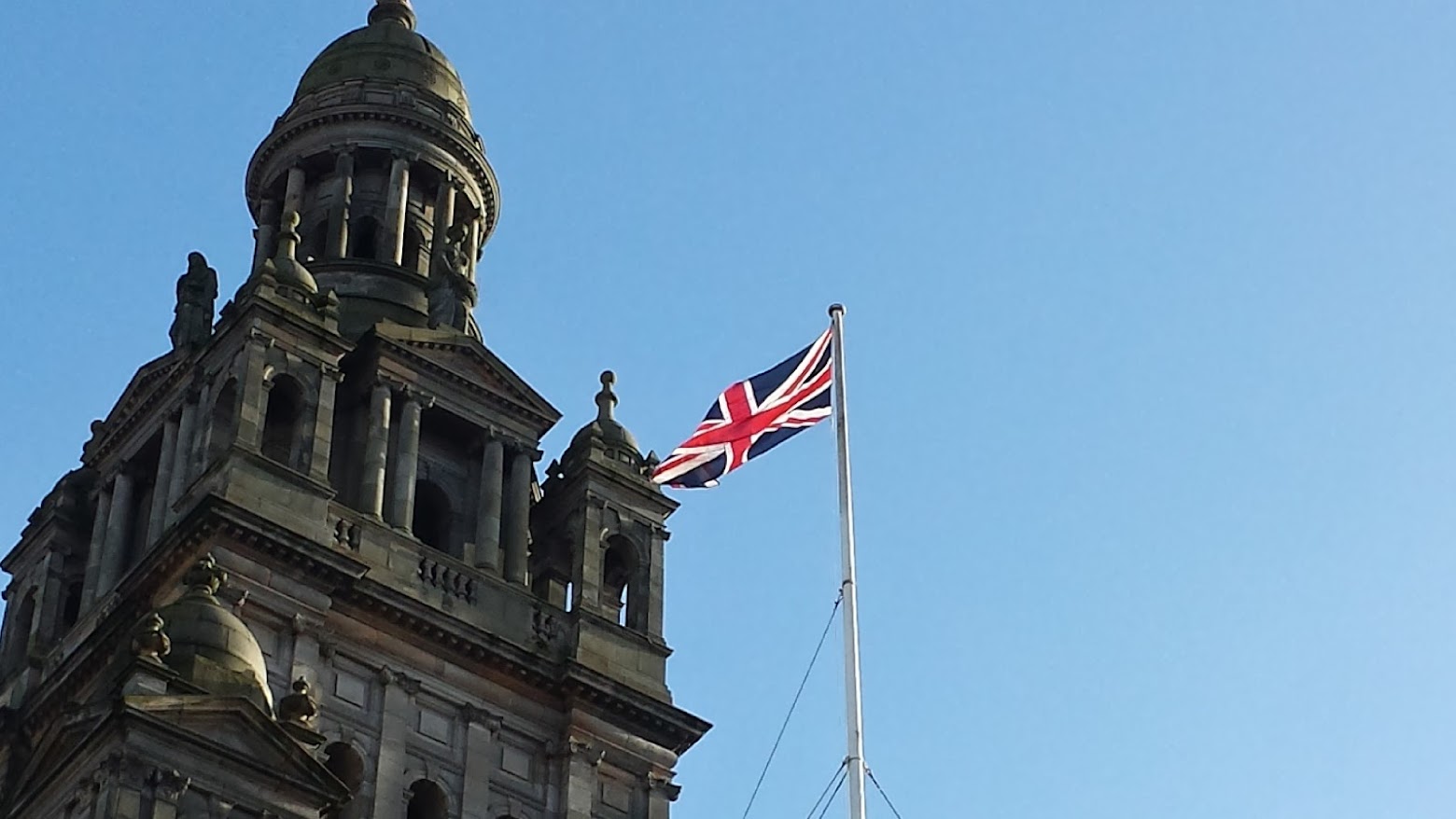
Glasgow City Council has voted to deny the Royal Regiment of Scotland the Freedom of the City on the regiment’s 20th anniversary, with the Labour motion to confer the honour falling after failing to reach the two-thirds majority required under the Local Government Scotland Act 1973, the UK Defence Journal understands. The vote was 39 for a composite SNP-Green amendment against 28 for the original Labour motion brought by Councillor James Adams. The SNP-controlled council rejected the honour despite half of Scotland’s 32 local authorities having already granted Freedom status to the regiment. The Freedom of Dundee is due to be conferred on the regiment next month. Councillor Adams opened the debate by setting out the regiment’s connection to Glasgow, noting that 23 servicemen had given their lives since the regiment’s formation, that many Glaswegians serve in its battalions, and that Glasgow had previously granted the Freedom of the City to the Royal Highland Fusiliers in 1959 and the Royal Marines in 2013. He said the motion was about continuing a civic relationship that stretched back generations and expressed surprise that the chamber appeared poised to refuse it. “I don’t think this does much to actually improve relationships with the Royal Regiment of Scotland,” he said in his summing up. Bailie Norman MacLeod, speaking for the SNP amendment, criticised the motion on procedural grounds, saying there had been no consultation with the Lord Provost’s office or with the council’s armed forces champion before the motion was tabled. He suggested Adams withdraw the motion to preserve unanimity and avoid embarrassment. MacLeod then argued that if the council were to celebrate the regiment, he would rather see the recreation of the ancient Scottish regiments abolished by the MoD, including the Gordon Highlanders, the Black Watch, the Royal Scots Fusiliers, and the Highland Light Infantry, as part of an independent Scotland’s defence forces. He was cut off by the Lord Provost before finishing his remarks. Councillor Blains, seconding the SNP amendment, raised a different objection, arguing that conferring the city’s highest civic honour on organisations rather than individuals was inherently problematic and risked making the council a hostage to fortune. He also used his speaking time to argue that armed forces personnel lacked the trade union representation available to other public sector workers, citing Denmark as a model where 90% of armed forces personnel belong to a representative body able to negotiate pay and conditions. The Green amendment, moved by Councillor Mollingham, took a more nuanced position. He acknowledged having made a speech in 2018 that he regretted, in which he had spoken as a pacifist in a way that disrespected those for whom military service held genuine meaning. While maintaining his pacifism, he said he had no objection to recognising the contribution of the Scots battalions, but argued the question of how to do so deserved proper consideration by the Lord Provost rather than resolution on the floor of a full council meeting. Another councillor referenced the 1919 Battle of George Square, when troops were deployed to Glasgow during a period of industrial unrest, as a reason for care in how the council approached such recognition. Paul Sweeney MSP, a former member of the Royal Regiment of Scotland, said he was ashamed by the decision. “As a former member of the Royal Regiment of Scotland, I am ashamed by the crass refusal by Glasgow City Council to grant the Freedom of the City of Glasgow to the Regiment on its 20th anniversary. There are hundreds of serving and former members who are Glaswegian. We lost friends in Afghanistan and Iraq. Half of Scotland’s 32 local authorities have already granted Freedom status to the Royal Regiment of Scotland.” He called on the council to reconsider what he described as a tone deaf decision. James Adams, Partick East and Kelvindale Councillor and Glasgow Labour Group Whip, called the vote astonishing. “Astonishing that Glasgow City Council has voted to deny the Royal Regiment of Scotland Freedom of the City of Glasgow, breaking a tradition that Glasgow has had for generations,” he said. Conservative MP Andrew Bowie described it as a shocking decision. “The service of our men and women in the Armed Forces, who stand ready to fight and defend our way of life should be recognised and rewarded. The Royal Regiment of Scotland should have the Freedom of our largest city,” he said. Tom Tugendhat, MP for Tonbridge and former Security Minister, drew on Glasgow’s deep military history in his response. “Glasgow is a great city. Its connection to HM Armed Forces goes back generations. Sailors and soldiers set off from the Clyde to fight for the King for centuries. Ships brought trade and wealth leading to the glorious past that made the once ‘second city of empire’ one of the most amazing cities in Britain today. Rejecting that history won’t change the past but it says clearly what some think of those who walked these streets before. That’s a choice. It says everything,” he said. The Royal Regiment of Scotland was formed on 28 March 2006 through the amalgamation of the six single-battalion Scottish infantry regiments of the British Army. It is the largest regiment in the British Army and recruits across Scotland, with a particular connection to Glasgow and the west of Scotland. The regiment served in both Iraq and Afghanistan and continues to deploy on operations worldwide.The post Glasgow refuses Royal Regiment of Scotland freedom honour first appeared on UK Defence Journal.
Take Your Experience to the Next Level
NewDownload our mobile app for a faster and better experience.
Comments
0U
Join the discussion
Sign in to leave a comment