I took my newborn to the office because I was lonely. Most new mums know the feeling.
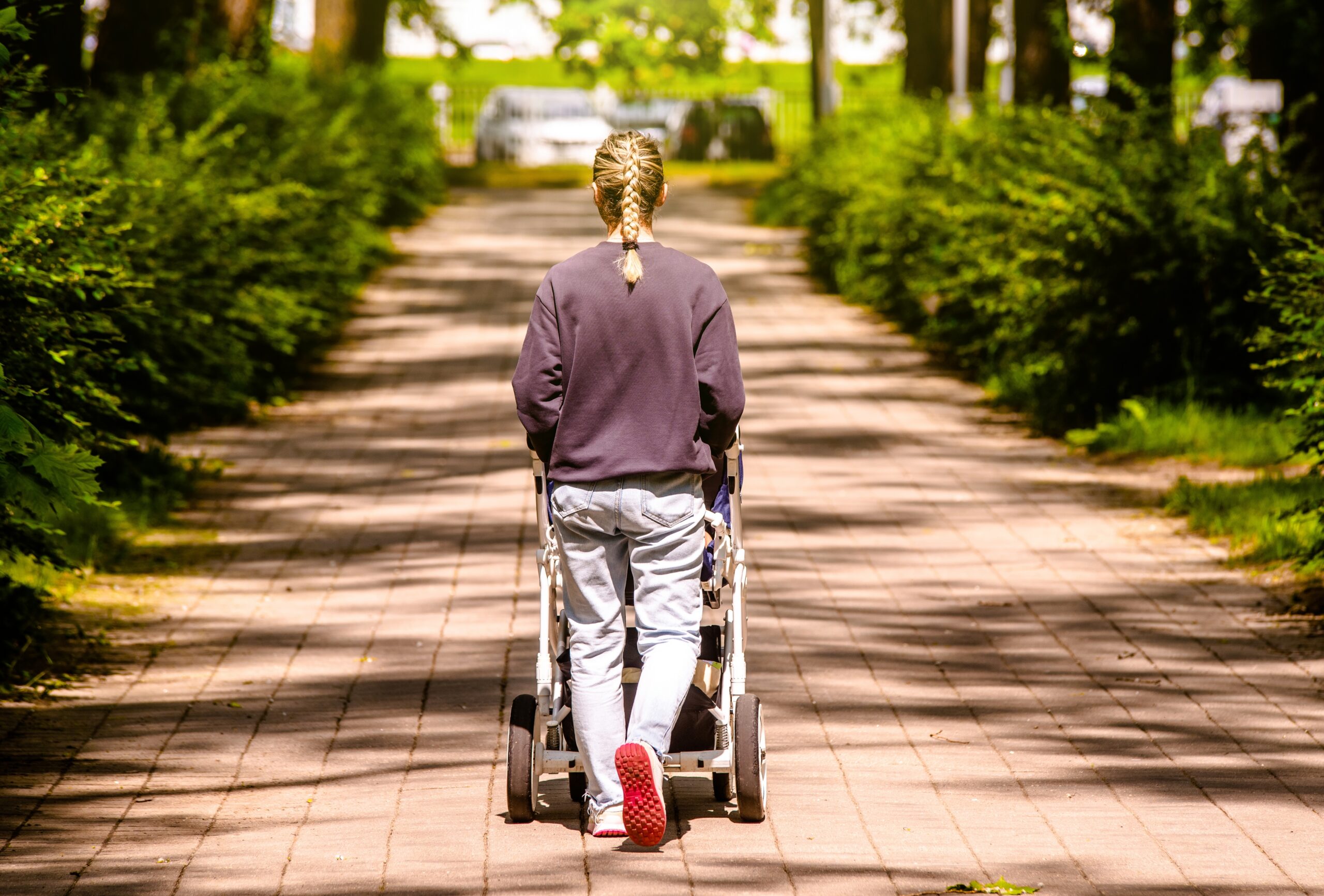
I ventured back to the office within a few weeks of having my first child. Not to get back to work, but because I felt starved for connection and wanted to see the people I had spent the majority of my time with just before having the baby. I took my tiny, squawking baby, who was giving me around 25 minutes sleep at a time, to our small Surry Hills office, where he screamed as he was passed around. He peed through his blanket, squirmed in his pram and likely wasn’t selling the idea of parenthood to those in the room. Red-faced baby and I then ventured the short trip back to where I live in the inner west, to an empty, quiet room, where he screamed and cried and pooed and peed, and I immediately craved more connection with the adults I once knew. That was twelve years ago, but it was the first early-motherhood memory that came to mind as I reviewed the findings of our April 2026 Motherhood Connections survey of more than 1000 mothers regarding loneliness, the friendships they’ve made, and how and where they connect. The findings are deeply concerning but far from surprising. Seventy-three per cent reported feeling lonely at least a few times a month, 29% said they feel lonely every week and 8 per cent every day. Almost half (49%) said they feel more lonely now than before having children, including 15% who feel much more lonely, and 60 per cent found the transition to motherhood a lonely experience. Loneliness is the norm We’re conditioned to see motherhood as a joyful experience of people and connection and of a “village” that grows around us to support and fill our days, but as the respondents to our survey found, loneliness is the norm rather than the exception for mums in Australia. And that “village”? Just 38 per cent of respondents to our Motherhood Connections Survey say they feel part of a “village” We launched this report on motherhood connection at a brunch session with Medibank today, with a panel including AFLW legend and TV personality Abbey Holmes, Mum Walk founder Kimberly Kay and perinatal psychiatrist Dr Cathrin Kusuma. The report incorporates a roundtable of experts we held in March, as well as the 1000-plus mums who had a child since January 2020 — we deliberately limited the time period to cover the pandemic and the long periods of lockdowns that followed. You can read the full report here, with much more to come in the following weeks as we dissect the data further. A parent group lifeline I’ve had another two kids since my first baby in 2013 and have felt stressed and lonely many times, but never as lonely as those weeks after bringing a newborn baby home for the first time: as the reality of the permanency of the transition we made kicked in, along with the repetition and exhaustion of never-ending sleep. The loneliness started to fade as I started connecting locally, and thanks to a little trick I learnt from Wendy McCarthy AO, whom I interviewed around the time. She spoke about the opportunity for building community when you have a new baby. You’re walking around with a baby, filling the time between feeds, trying to get them to sleep; you may as well interact with people where you can. She said that having a child can provide a great opportunity to connect with people locally, find new friends and to even to start organising around issues you care about. This was a possibility for me thanks to the inner-west suburb where I lived in Sydney, with its close proximity to playgrounds and facilities. I was also placed in a local parents’ group, pulled together initially, nervously, once a week with a local area nurse. And then later we’d meet for a coffee which became Friday afternoon drinks. We stayed in contact daily through a Facebook group, sharing tips and advice, and we’d meet organically while walking around the suburbs. At the end of 2019, just before the pandemic, we took our growing families together to Vanuatu for a week. Our partners had bonded, kids were friends, and siblings had entered the picture. I was one of the lucky ones. Not everyone finds a “village” or new friends in the year after they have a baby. Not everyone can venture back to their office to find friendly faces happy to hold their baby. Fewer mums today than ever before have parents and family close to them in Australia, whom they can call on for support. I was also lucky to have made these connections just prior to the pandemic. From there, social, cultural, and language barriers make connecting difficult, not to mention geographic distance. By March 2020, parent groups had gone online due to lockdown requirements. For many parts of the country, that’s where they’ve stayed ever since – if they’ve been offered at all. Funding across states and territories to support these groups is far from consistent, while mothers who live in regional and remote areas need additional support to contend with the added challenge of distance. There are additional barriers and supports required for single parents, for culturally and linguistically diverse mothers, as well as for those raising a child with a disability. We can do more to support mothers to make friends We’ve launched our report in the lead up to Mother’s Day in the hope of raising more conversations about motherhood and loneliness, why it matters, what can be done about it, and its connection to the broader issue of loneliness, which is a serious public health issue requiring far more attention (and one we’re proud to work with Medibank on to help highlight). Loneliness for new mothers is one part of how the loneliness epidemic afflicting the broader population, but one that arguably we have the greatest opportunity to address by supporting real solutions to support mothers in making genuine, regular and local connections. Connections that can become friends. One obvious lever for addressing this is for state and territory governments to consistently fund in-person new-parent groups, with additional resourcing for the regional, single, CALD and disability-affected mothers who currently fall through the gaps. The infrastructure exists; what’s missing is the political will to treat this as preventative health spending rather than a nice-to-have. Funding mother-led and founded initiatives that aim to further foster connections and nurture friendships between women can help fill the gaps and strengthen the system of connection opportunities available to women at this stage, like Kimberly Kay at Mum Walk, Stephanie Trethewey at Motherland, and others. Employers have a role too, in policies that let new mothers stay socially connected to workplaces during leave, as around a quarter of our respondents told us they found their workplace to be a vital source of connection. And just like I did too. So do councils, healthcare providers, and the social entrepreneurs already doing extraordinary work in this space. All of us should see the value in happy, supported, connected mothers — whether we’re mothers or not. Addressing loneliness in mothers can be a key intervention in the broader loneliness epidemic, one with benefits that can flow into other cohorts of the population. Read the full report here. We’ll be sharing more from the report in the coming weeks. The post I took my newborn to the office because I was lonely. Most new mums know the feeling. appeared first on Women's Agenda.
Take Your Experience to the Next Level
NewDownload our mobile app for a faster and better experience.
Comments
0U
Join the discussion
Sign in to leave a comment